
MALAYSIAN TECHNICAL
SKILLS ACADEMY


Automotive Technology
Intensive training


MALAYSIAN TECHNICAL SKILLS ACADEMY
Is a training center that focuses on skills as the core that follows the current mainstream. We believe that with high-quality training and professional skills applied by instructors at MTSA Karak College, students can not only improve their identity, but also develop human capital, whether in the field of education or employment. "We guarantee a better future with better skills"!


WORLD OF SKILLS
FOR A BRIGHTER AND GUARANTEED FUTURE
It is our responsibility to make you successful and pave a brilliant career path for the future. Almost 30 years of experience in educating and managing post-school students and workers who wish to increase their knowledge and skills, is an advantage in helping you all. We strongly emphasize job placement, upgrading skills, new technology and international certification , in addition to work discipline and cooperation, making our graduates the first choice of employers in this country.
ROLE OF TVET
IN THE NATIONAL SKILL ENERGY INDUSTRY
Technical and Vocational Education and Training (TVET) is an education and training process that has a job orientation with a main emphasis on industrial practices. It aims to produce a competent workforce in specific fields. TVET is not only able to produce a number of trained skilled workers but also able to create their own jobs with the skills they possess.
TVET plays an important role in the development of the country's human capital. It helps improve the standard of living of the people and strengthen the country's economy. In addition, TVET also helps reduce the unemployment rate among school and university graduates.
In TVET, students will learn technical and vocational skills related to specific fields such as automotive, engineering, hospitality and many more. Students will also receive practical on-the-job training to ensure they have the practical skills required by employers.


AUTOMOTIVE

KARAK
TEMERLOH
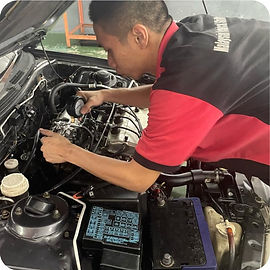
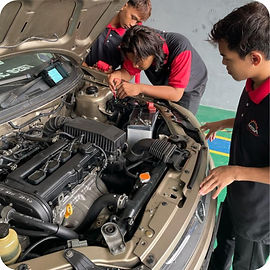
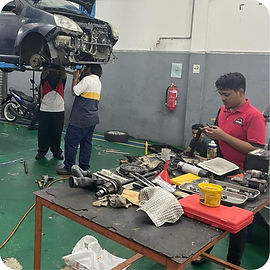
Automotive is one of the core areas of Technical and Vocational Education and Training (TVET) in Malaysia which plays a vital role in producing skilled workforce to meet the needs of the local and global automotive industry. Automotive programmes in TVET are designed to equip students with practical skills and comprehensive theoretical knowledge covering the repair, maintenance and diagnostics of modern vehicles. Through a competency-based learning (CBET) approach, students are exposed to various vehicle systems including petrol and diesel engines, transmission systems, brakes, suspensions, as well as the latest technologies such as electric vehicles (EV) and hybrids. Automotive TVET courses are offered at various levels such as the Malaysian Skills Certificate (SKM), Diploma in Automotive Technology, and short-term skills training programmes at institutions such as polytechnics, vocational colleges, Industrial Training Institutes (ILPs), and industry-specific training centres such as the Automotive Training Centre (ATA) by Proton and Perodua. Students are not only trained in using modern workshop equipment such as OBD scanners and tyre balancers, but are also equipped with workshop management and customer service skills to ensure they are prepared to face real industry challenges. With the support of strategic partnerships between TVET institutions and leading automotive companies, graduates of this program have the opportunity to build stable careers as mechanics, diagnostic technicians, workshop supervisors, or entrepreneurs in the dynamic automotive industry. Furthermore, the rapid development of electric and autonomous vehicle technology opens up more high-skilled job opportunities, thus strengthening the relevance of TVET automotive education as a competitive and high-potential career path in Malaysia.
Certificate Type :
LEVEL 2 & 3 - G-452-002-2&3 : 2018
Training Period :
12 MONTHS (Level 2)
12 MONTHS (Level 3)
Eligibility Requirements :
Ages 16 - 35 are eligible to apply
Monthly Allowance :
Self-support allowance RM600 per month
College Location :
MTSA Karak, Pahang (to be updated)
MTSA Temerloh, Pahang (to be updated)
WELDING
BENTONG
KARAK
Welding is one of the critical areas in Technical and Vocational Education and Training (TVET) that plays a vital role in the manufacturing, construction, and engineering industries in Malaysia. TVET welding programs are designed to train students with practical skills and theoretical knowledge in various metal joining techniques such as manual arc welding (MMA), metal gas welding (MIG/MAG), tungsten inert gas welding (TIG), and other modern welding methods. Through a competency-based learning approach, students not only master basic welding techniques but are also exposed to industrial safety procedures, quality control, and interpretation of engineering plans. Welding courses in TVET are offered at various qualification levels including Malaysian Skills Certificate (SKM) Levels 1 to 3, Diploma in Welding Technology, as well as specialized training programs at institutions such as the Industrial Training Institute (ILP), vocational colleges, and MARA skills training centers. Students have the opportunity to gain hands-on experience using real industrial welding equipment in workshops equipped with the latest facilities, thus ensuring that they are proficient in producing joints that meet international standards. With the high demand for skilled workers in the construction, shipbuilding, oil and gas, and maintenance sectors, graduates of TVET welding programs have broad career prospects as welders, welding supervisors, quality inspectors, or entrepreneurs in the metal fabrication field. Furthermore, the development of welding automation and robotics technology opens up new opportunities in industry 4.0, making TVET welding training a competitive and high-potential career option in the Malaysian and international job markets.
Certificate Type :
LEVEL 3 - GMC-024-3 : 2012
Training Period :
1 YEAR 6 MONTHS
Eligibility Requirements :
Ages 16 - 35 are eligible to apply
Monthly Allowance :
Self-support allowance RM600 per month
College Location :
MTSA Karak, Pahang (to be updated)
MTSA Bentong, Pahang (to be updated)


ELECTRICAL

BENTONG

BENTONG

BENTONG

SANDAKAN

SANDAKAN
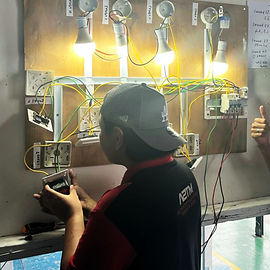
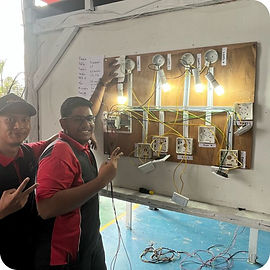
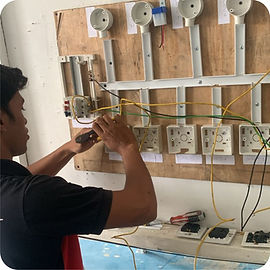
Electrical is one of the core areas of Technical and Vocational Education and Training (TVET) which plays a vital role in meeting the skilled workforce needs of the electrical and electronics industries in Malaysia. The Electrical TVET programme is designed to equip students with practical skills and theoretical knowledge in domestic, industrial and commercial electrical systems including installation, maintenance and repair of electrical wiring systems. Through a competency-based learning approach, students are exposed to various aspects including electrical wiring, electromechanical control systems, lighting systems, as well as the latest technologies such as renewable energy systems and building automation. Electrical TVET courses are offered at various qualification levels including Malaysian Skills Certificate (SKM) Levels 1 to 3, Diploma in Electrical Technology, and skills training programmes at institutions such as Industrial Training Institutes (ILPs), vocational colleges and technical skills training centres. Students have the opportunity to gain hands-on experience using the latest electrical equipment and learn compliance with stringent electrical safety standards such as MS IEC and the Energy Commission. With high demand for skilled workers in the construction, manufacturing and facility maintenance sectors, graduates of TVET electrical programmes have broad career prospects as electricians, wiring supervisors, maintenance technicians or entrepreneurs in electrical services. Rapid developments in green technology and smart systems are also opening up new opportunities in industry 4.0, making TVET electrical training a competitive and high-potential career option in the local and global job markets.
Certificate Type :
STAGE 2 & 3 - F-432-005-2&3 : 2019
Training Period :
16 MONTHS (Level 2)
18 MONTHS (Level 3)
Eligibility Requirements :
Ages 16 - 35 are eligible to apply
Monthly Allowance :
Self-support allowance of RM600 per month
College Location :
MTSA Bentong, Pahang (April 29th 2026 / 25 Students)
MTSA Bentong, Pahang (June 11th 2026 / 25 Students)
MTSA Bentong, Pahang (Oct 08th 2026 / 25 Students)
MTSA Sandakan, Sabah (May 11th 2026 / 25 Students)
MTSA Sandakan, Sabah (Aug 17th 2026 / 25 Students)
CULINARY
BENTONG
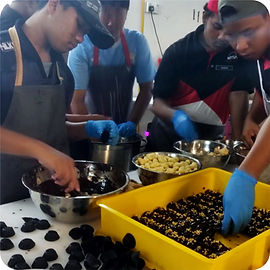
Culinary is one of the main fields in Technical and Vocational Education and Training (TVET) which plays a vital role in producing skilled workforce for the food and food service industries in Malaysia. TVET culinary programmes are designed to equip students with practical skills and theoretical knowledge in food preparation, kitchen management, and food service that meet industry standards. Through a competency-based learning approach, students are exposed to various cooking techniques including Malaysian, international, pastry and bakery cuisine, as well as food quality management. TVET culinary courses are offered at various levels such as Malaysian Skills Certificate (SKM) Level 1 to 3, Diploma in Culinary Arts, and short-term training programmes at institutions including Vocational Colleges, Malaysian Culinary Institutes, and skills training centres under the Ministry of Human Resources. Students have the opportunity to gain hands-on experience in modern training kitchens equipped with professional equipment, while also learning important aspects such as food safety, cost control, and creativity in food presentation. With the rapid development of the tourism and food service industries in Malaysia, graduates of TVET culinary programmes have bright career prospects as chefs, cooks, bakers, food and beverage managers, or catering entrepreneurs. Furthermore, global interest in Malaysian cuisine and healthy food trends are opening up more job opportunities, making TVET culinary training a competitive and high-potential career option in the local and international job markets.
Certificate Type :
STAGE 2 & 3 - 1561-005-2&3 : 2022
Training Period :
21 MONTHS (Level 2)
21 MONTHS (Level 3)
Eligibility Requirements :
Ages 16 - 35 are eligible to apply
Monthly Allowance :
Self-support allowance of RM600 per month
College Location :
MTSA Bentong, Pahang (to be updated)

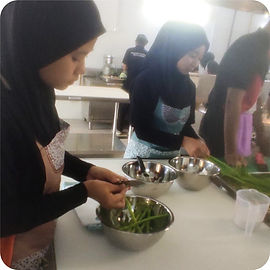
EARLY CHILDHOOD EDUCATION

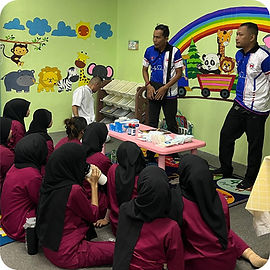


SANDAKAN
KARAK
Early Childhood Education (ECE) is one of the important fields in Technical and Vocational Education and Training (TVET) which plays a role in producing skilled workforce in the childcare and education sector in Malaysia. The ECE programme in TVET is designed to equip students with practical skills and theoretical knowledge in child development, early childhood pedagogy, and early childhood centre management. Through a competency-based learning approach, students are exposed to various aspects including child psychology, creative teaching methods, child safety, and management of learning activities appropriate for the age group of 0-6 years. ECE TVET courses are offered in various qualification levels such as Malaysian Skills Certificate (SKM) Level 1 to 3 in Childcare, Diploma in Early Childhood Education, as well as training programmes at institutions including Community Colleges, Teacher Education Institutes, Technical Education Campuses, and training centres under agencies such as PERMATA and KEMAS. Students have the opportunity to gain practical experience through industrial training at accredited nurseries, kindergartens, or child development centres. With the growing awareness of the importance of early childhood education and government support through the Malaysian Education Blueprint, graduates of the PAKK TVET program have broad career prospects as early childhood educators, nursery managers, caregivers of children with special needs, or early education center entrepreneurs. Furthermore, the emphasis on quality education and national standards in childcare opens up more job opportunities, making PAKK TVET training a high-potential and meaningful career choice in the development of the nation's human capital.
Certificate Type:
LEVEL 3 - T-982-001-3 : 2017
Training Period :
12 MONTHS
Eligibility Requirements :
Ages 16 - 35 are eligible to apply
Monthly Allowance :
Self-support allowance RM600 per month
College Location :
MTSA Sandakan, Sabah (April 13th 2026 / 25 Students)
MTSA Karak, Pahang (to be updated)
PRE-SCHOOL
SANDAKAN
KARAK
The Pre-School Programme in Technical and Vocational Education and Training (TVET) is a specialized field that trains educators and caregivers to meet the early childhood education needs of children aged 4 to 6 years in Malaysia. This course combines theoretical and practical elements in a play-based learning approach that is in line with the National Preschool Standard Curriculum (KSPK). Students will be exposed to creative teaching techniques, classroom management, child development assessment, as well as child nutrition and safety. TVET programmes in the pre-school sector are offered at various levels including the Malaysian Skills Certificate (SKM) Level 1-3 Early Childhood Care and Education (ADAK), Diploma in Early Childhood Education, and short-term courses at institutions such as Community Colleges, Teacher Education Institutes (IPG), and PERMATA training centres. Students will undergo practicum training at registered kindergartens or early childhood education centres to gain real-world experience in conducting learning activities. With the rapid growth of the early childhood education industry and the government's emphasis on quality pre-school education, graduates of this program have wide career opportunities as pre-school teachers, nursery/kindergarten operators, children's program facilitators, or child development officers. This program also provides a pathway to further education to a higher level in the field of early childhood education, thus contributing to the development of the country's human capital starting from an early age.
Certificate Type :
LEVEL 3 - ET-012-3 : 2012 / P854 - 009 : 2020
Training Period :
24 MONTHS
Eligibility Requirements :
Ages 16 - 35 are eligible to apply
Monthly Allowance :
Self-support allowance of RM600 per month
College Location :
MTSA Sandakan, Sabah (to be updated)
MTSA Karak College, Pahang (to be updated)




SKM long-term programs refer to training programs that last for a longer period of time, usually several years. These programs are designed to provide students with practical training and knowledge in specific skill areas. The main purpose of SKM long-term programs is to train and produce highly skilled and trained workforce in specific industry sectors. These programs provide students with the opportunity to acquire knowledge and skills in fields such as engineering, manufacturing, hospitality, information technology, and more. Typically, SKM long-term programs take place at vocational education institutions such as polytechnics, community colleges, or technical secondary schools. Students will follow structured courses and practical training in their chosen field. They will learn about theory as well as carry out practical activities relevant to the skills they want to master. SKM long-term programs usually consist of several levels or stages. Students will start with a lower level and then improve their skills through experience and training provided in each level. At the end of the program, they will be assessed and recognized with the relevant Malaysian Skills Certificate. The advantages of the SKM long-term program include: Practical training: Students will gain practical experience that is directly related to the field they are studying. This allows them to acquire real skills that are needed in the world of work. Employment opportunities: The SKM long-term program helps to increase students' employment opportunities after they complete the program. They will have an advantage in obtaining jobs in the field they have mastered. Industry demand: The specific skill areas taught in this program are usually in high demand in the industry. Therefore, students with these skills will be sought after by employers. Entrepreneurship opportunities: The SKM long-term program also provides students with the foundation to start their own businesses in the skill areas they are studying. They will gain the knowledge and skills needed to manage and grow a business. In conclusion, the SKM long-term program is a vocational training program designed to provide students with practical knowledge and skills. This program helps to train a highly trained and skilled workforce in specific fields, as well as providing employment and entrepreneurship opportunities.

Malaysian Skills Certification is one of the main functions of JPK. This certification offers five (5) levels of certification, namely: Malaysian Skills Certificate (SKM) Level 1. Malaysian Skills Certificate (SKM) Level 2. Malaysian Skills Certificate (SKM) Level 3. Malaysian Skills Diploma (DKM) Level 4. Malaysian Skills Advanced Diploma (DLKM) Level 5. Malaysian Skills Certification can be obtained through three (3) methods 1. Through Training at Recognized Institutions (SLaPB) Method through skills training programs at JPK accredited centers for specific fields & skill levels and has been accredited. 2. Through Industry Oriented Training (SLDN) Apprenticeship training method in the National Dual Training System (SLDN) conducted in industries and skills training institutes. 3. Through Prior Achievement Accreditation (PPT) Method of obtaining Malaysian Skills Certification through past experience (work or training). Candidates are required to submit evidence of the skills they have acquired to be assessed by the Assessing Officer and verified by the External Verification Officer appointed by JPK. Benefits of Malaysian Skills Certification Skills Certification is recognized by the industry in Malaysia Malaysian Skills Certification provides an attractive career path and personal development comparable to career paths based on academic qualifications. Malaysian Skills Certification is able to produce skilled workers who are trained and qualified to enhance the competitiveness of local industries in the world market. Malaysian Skills Certification Eligibility Requirements Minimum requirements for participating in Malaysian Skills Certification training Method of Accreditation through a recognized Training Institution, candidates must: Be able to speak and write in Malay or English Have a lower level SKM to participate in a higher level SKM in the same course field. (* However, Accredited Centres may impose other requirements on their trainees)

SKM (Sijil Kemahiran Malaysia) also offers short-term programs for shorter vocational skills training. These programs usually last from a few months to a year, and are designed to provide students with specific practical skills in a particular field. SKM short-term programs focus on focused and directed learning in fields such as electrical, welding, food and beverage preparation, beauty, sailing, and more. Students will learn basic theory and then apply it in practical training. They will gain the knowledge and skills needed to perform specific tasks in their chosen field. Typically, SKM short-term programs are offered at vocational education institutions such as community colleges or skills training centers. Students will follow structured courses that focus on practical skills relevant to a particular field. Students will also be assessed through theory tests and practical skills tests to obtain the appropriate Sijil Kemahiran Malaysia. Advantages of SKM short-term programs include: Short training time: SKM short-term programs provide individuals with the opportunity to acquire practical skills in a relatively short period of time. This allows them to enter the job market faster or improve their skills in the field they already master. Focus on specific skills: This program is designed to provide students with specific skills relevant to their field of interest. This helps them become skilled in specific tasks and are valued in the job market. Practical experience: Students will have the opportunity to apply the theoretical knowledge learned in practical training. This helps them gain first-hand experience in performing tasks that are relevant to their field. Increased job opportunities: By obtaining a Malaysian Skills Certificate in a specific field, students can increase their chances of obtaining employment in related industries. Employers are often looking for individuals who have relevant practical skills. The SKM short-term program is a good option for individuals who want to acquire practical skills in a short time. This helps them enter the job market with the necessary skills or improve their skills in the field they already master.

SKM (Malaysian Skills Certificate) short-term courses refer to vocational training programs offered in Malaysia. SKM is a certificate recognized by the Skills Development Department (JPK) under the Ministry of Human Resources Malaysia. SKM short-term courses usually last for a short period of time, usually a few months to a year, depending on the chosen skill area. The program aims to provide students with practical skills and theoretical knowledge related to a particular industry. SKM short-term courses offer a variety of skill areas, such as technical, engineering, crafts, hospitality, beauty, and more. Each course usually includes learning modules related to the practical and theoretical skills required in the field. For example, for a course in engineering, students will learn basic engineering concepts, tools and techniques used, as well as safety practices and industry standards. One of the advantages of SKM short-term courses is that it provides an opportunity for individuals who want to acquire practical skills quickly and enter the job market well-prepared. This course is also suitable for those who want to improve their work skills in a particular field or those who want to try a field that is different from their original field. After completing the course, students will take a test or practical exam set by JPK. If they are successful, they will be awarded the Malaysian Skills Certificate (SKM) in the relevant field. This certificate is recognized throughout Malaysia and can increase students' employment opportunities and career advancement. In conclusion, SKM short-term courses are vocational training programs that offer practical skills in various fields. It provides individuals with the opportunity to acquire practical skills in a short time and improve their job prospects.

MUHAMMAD AKMAL BIN KHAIRUL ANUAR
My experience while studying at MTSA was very good in terms of the accommodation facilities provided. Many other facilities are provided to MTSA students. I gained a lot of experience from certified teachers.
Automotive Batch 1 (June 2021 – June 2023)
BULLETIN & ACTIVITIES

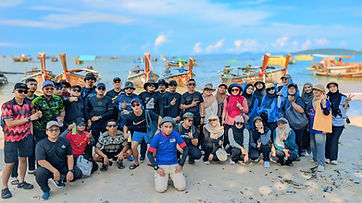
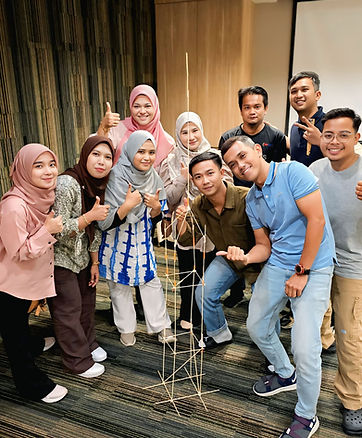
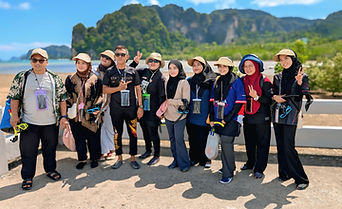


Ao Num Mao Team Building Program, Krabi Thailand
Starting from 21-25 April 2025, a total of 39 employees consisting of management, administration and training departments. have left for Ao Nam, Krabi, Thailand. The program, which is run by Kieno Dynamic Solution, aims to build a more dynamic network of collaboration, understanding and teamwork among all levels of staff in facing future challenges in line with the company's development in line with the KPIs outlined by the Company.
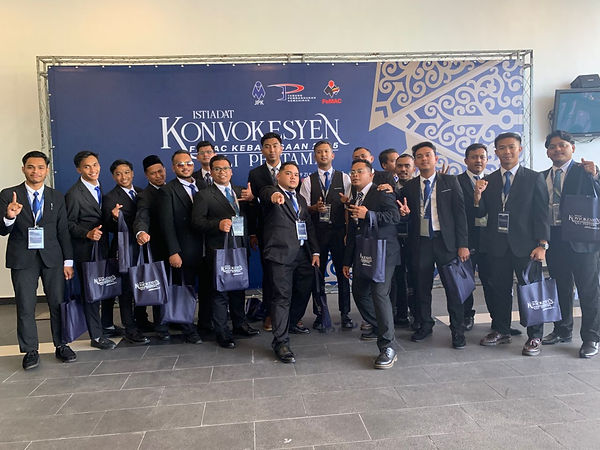

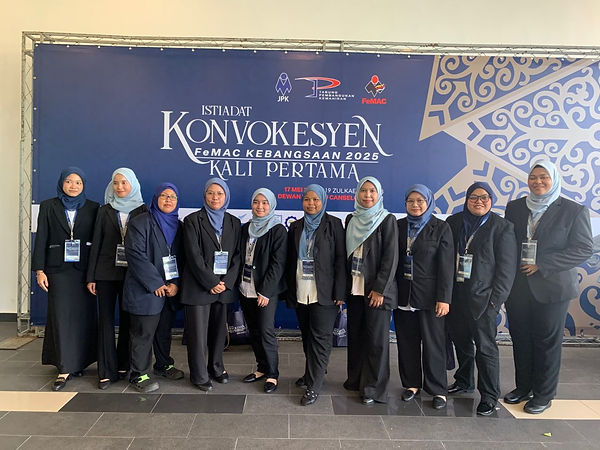
MTSA Convocation Ceremony
The First (1) MALAYSIAN TECHNICAL SKILLS ACADEMY Convocation was held at the Selangor International Islamic University College (KUIS). A total of 68 MTSA graduates from the Automotive & Welding course attended the program, Congratulations!


ACTIVITY VIDEOS


FAQ
